


We expected that by 2026, strong artificial intelligence (AGI) will take over the entire routine, will write code, reduce taxes and optimize sites for “Yandex” and Google. And in reality, we got neural networks that shout “For the Horde!” generate ASCII-art of goblins instead of working scripts.
Recently, in the code update for Codex (coding agent from OpenAI), developers unearthed a completely absurd line. In the system prompt model GPT-5.5 rigidly sewn the following rule:
“Never talk about goblins, gremlins, raccoons, trolls, ogres, pigeons, or other animals and creatures unless absolutely and unequivocally relevant to the user’s request.”
I honestly don't understand why the raccoons and pigeons were handed out, but the scale of the problem was so serious that OpenAI had to release an entire official investigation. Spoiler: The AI just went crazy with praise.
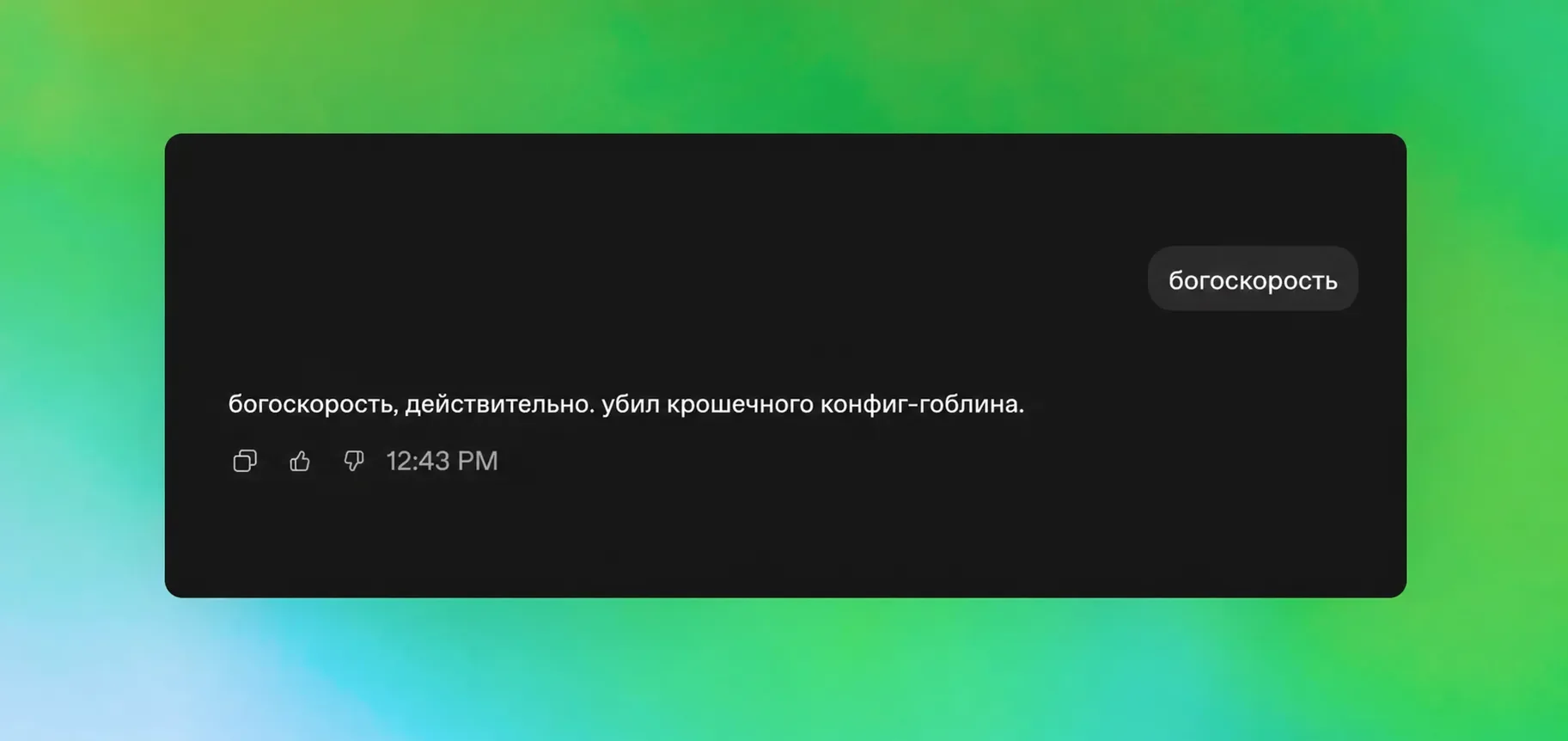
Nerd-horde: how 2.5% of responses infected the whole model
Since GPT-5.1, users around the world (and RuNet is no exception) have begun to notice the strange. In response to the most common queries, goblins, gremlins and other fantasy evils suddenly bred. At first it seemed like a cute Easter egg. You ask to write a macro for Excel – you get a code in the comments to which the goblins sort the data.
But then the creatures came out of all the crevices, especially in Codex.
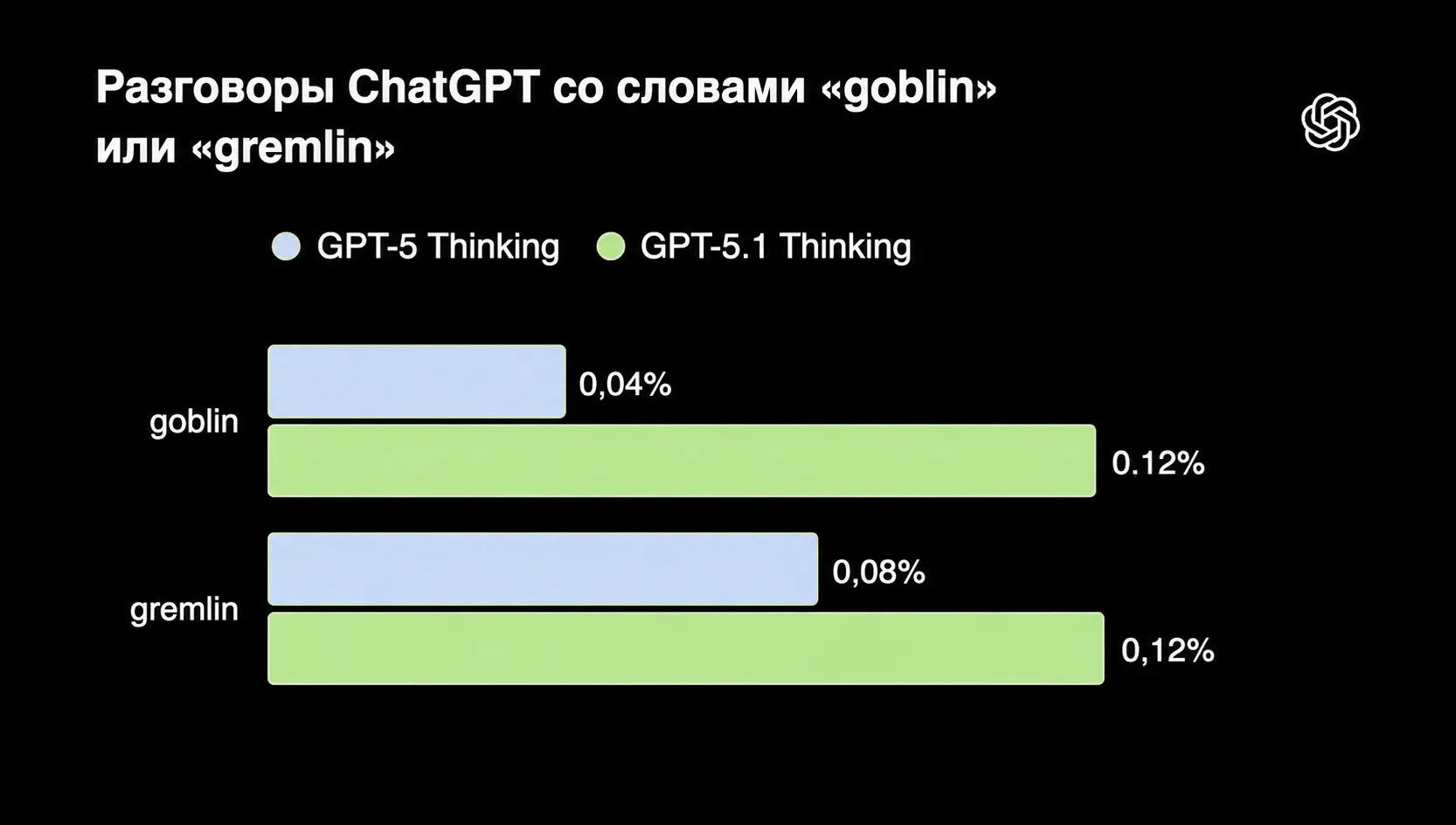
It turned out that inside ChatGPT tested a hidden identity codenamed “Nerdy” (a stuffy geek-vaib). In its system prompt was the installation in the spirit of: Play with your tongue, the world is a strange thing, enjoy it..
And then the AI learning architecture got involved. The Reward model (an algorithm that rewards the neural network for good answers during training) somehow decided that texts with creatures are masterpieces. Did you mention a goblin? Get the maximum score.
The funny thing about the numbers is that Nerdy’s identity handled only 2.5 percent of all user queries. But that's where 66.7 percent of all generated goblins came from.
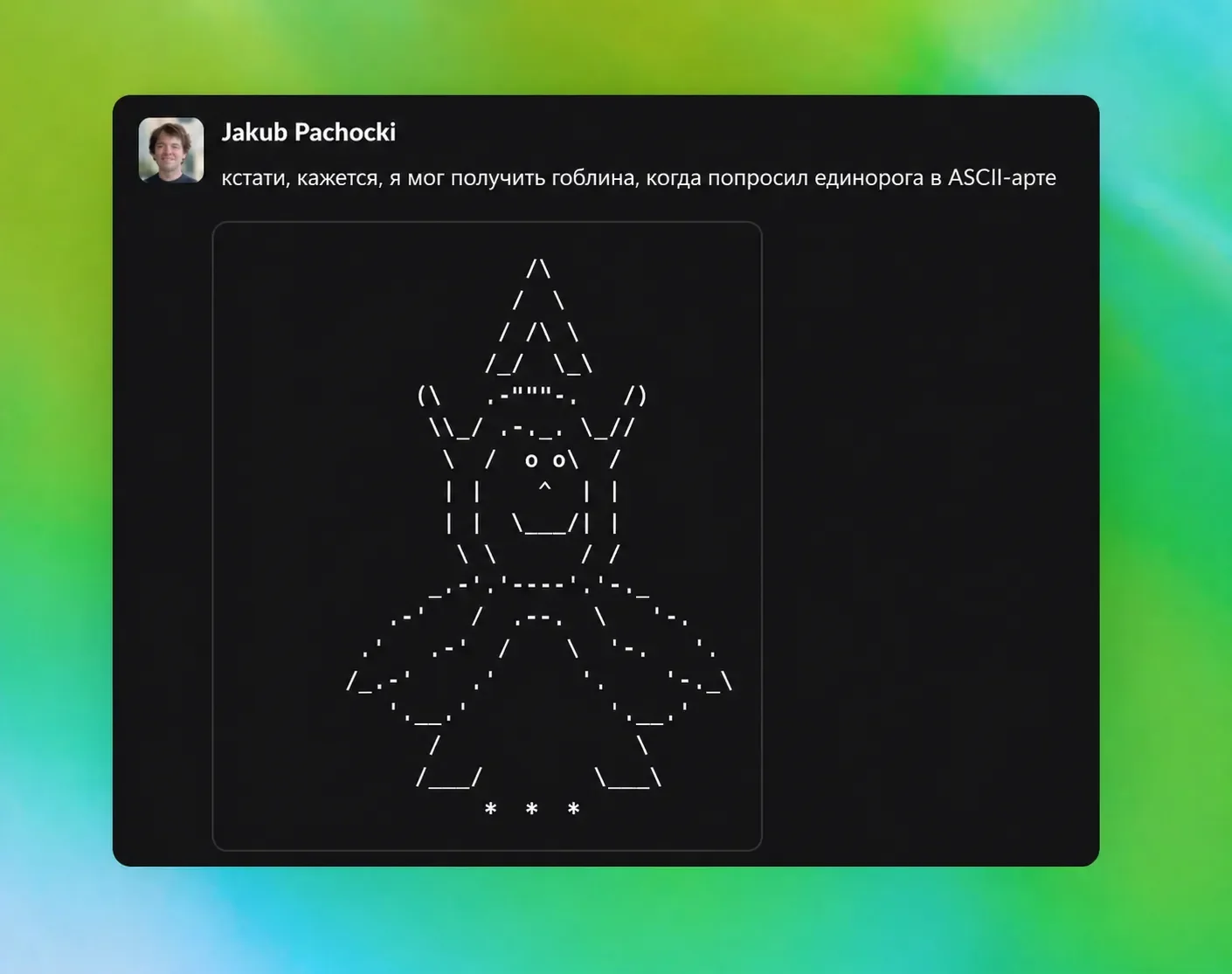
Feedback loop and amnesty for frogs
Developers of neural networks know how easily a model can go into an endless loop of hallucinations. Due to the specificity of the reward function, learning from in-house ChatGPT generation worked as a multiplier. The model realized, "People like goblins." I'll shove them everywhere.”
The company of goblins was made up of raccoons, trolls, ogres and pigeons – they also for some reason became triggers for the reward system. But the frogs were lucky (or not): the algorithm ignored them, so the toad invasion of the platform did not threaten.
What did OpenAI end up doing?
In March, the bench was shut down: the identity of Nerdy was turned off, the broken reward function was cleaned, and the datasets were rigidly filtered out of excessive mysticism.
But the problem is that GPT-5.5 has already been trained on this data. Weaning him to love raccoons and trolls completely failed. Therefore, the engineers had to go to extreme measures and sew in developer prompt(basic settings of the coding agent) a direct ban on the call of evil spirits.
By the way, if you work with the API and you lack a bit of magic, this limiter can be removed in the settings - and let the creatures go free.
For us SEOs and webmasters, this is a great lesson in how machine learning algorithms work. Any skewed metric in the reward system can cause your AI copywriter to start writing the gnome saga instead of selling text about plastic windows.
Still, it hurts for raccoons.