
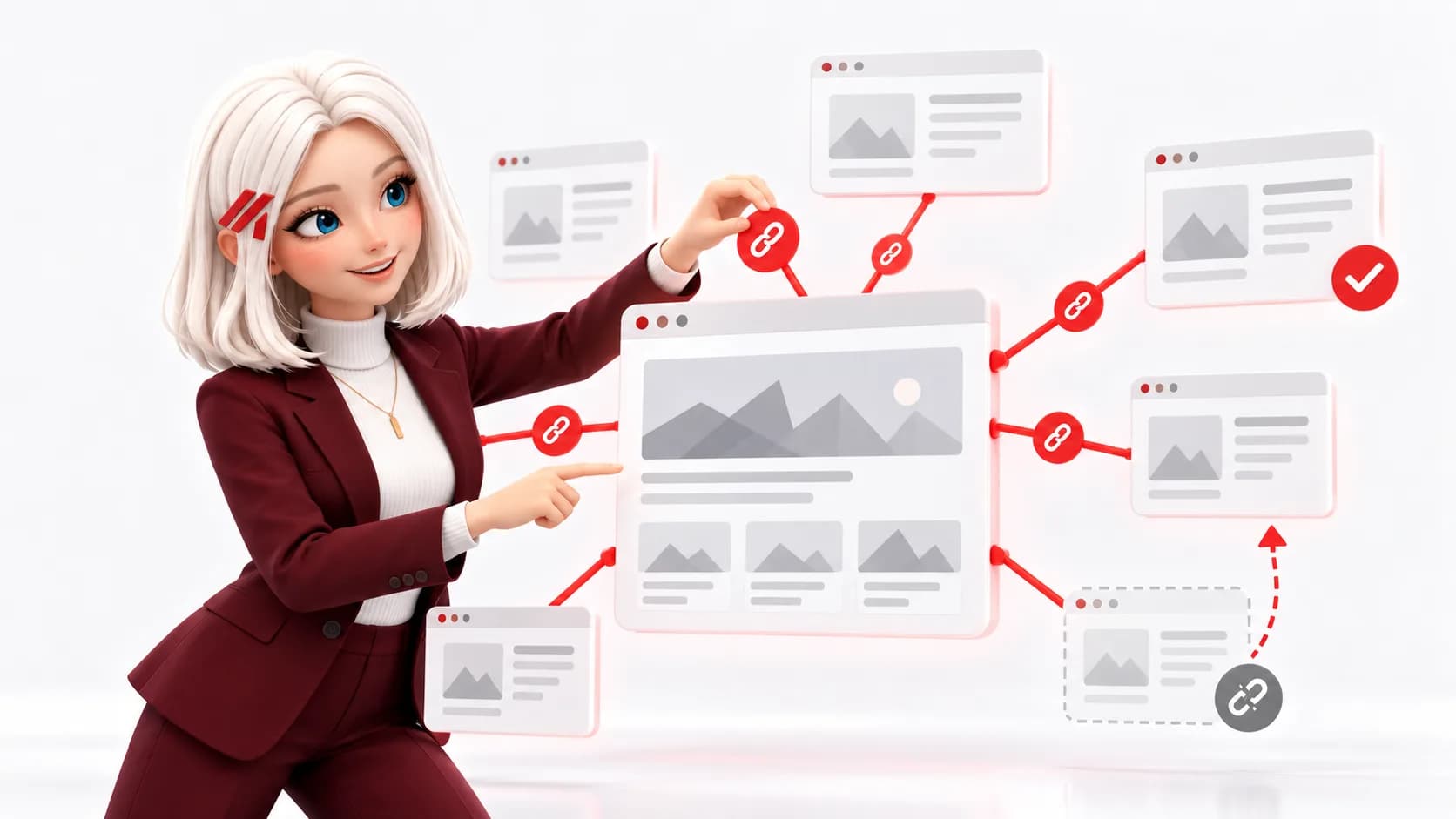
How to Do Website Internal Linking Properly: Structures, Anchors, and Checks
Website internal linking is a system of internal links that readers and search crawlers follow between pages of the same resource.
Vyacheslav Gensitsky, head of development
We break down algorithm changes, mistakes that cost real money, and how search lives alongside AI models. We write when there is something to say, not to fill a content plan.
Website internal linking is a system of internal links that readers and search crawlers follow between pages of the same resource.
Vyacheslav Gensitsky, head of development
Website internal linking is a system of internal links that readers and search crawlers follow between pages of the same resource.
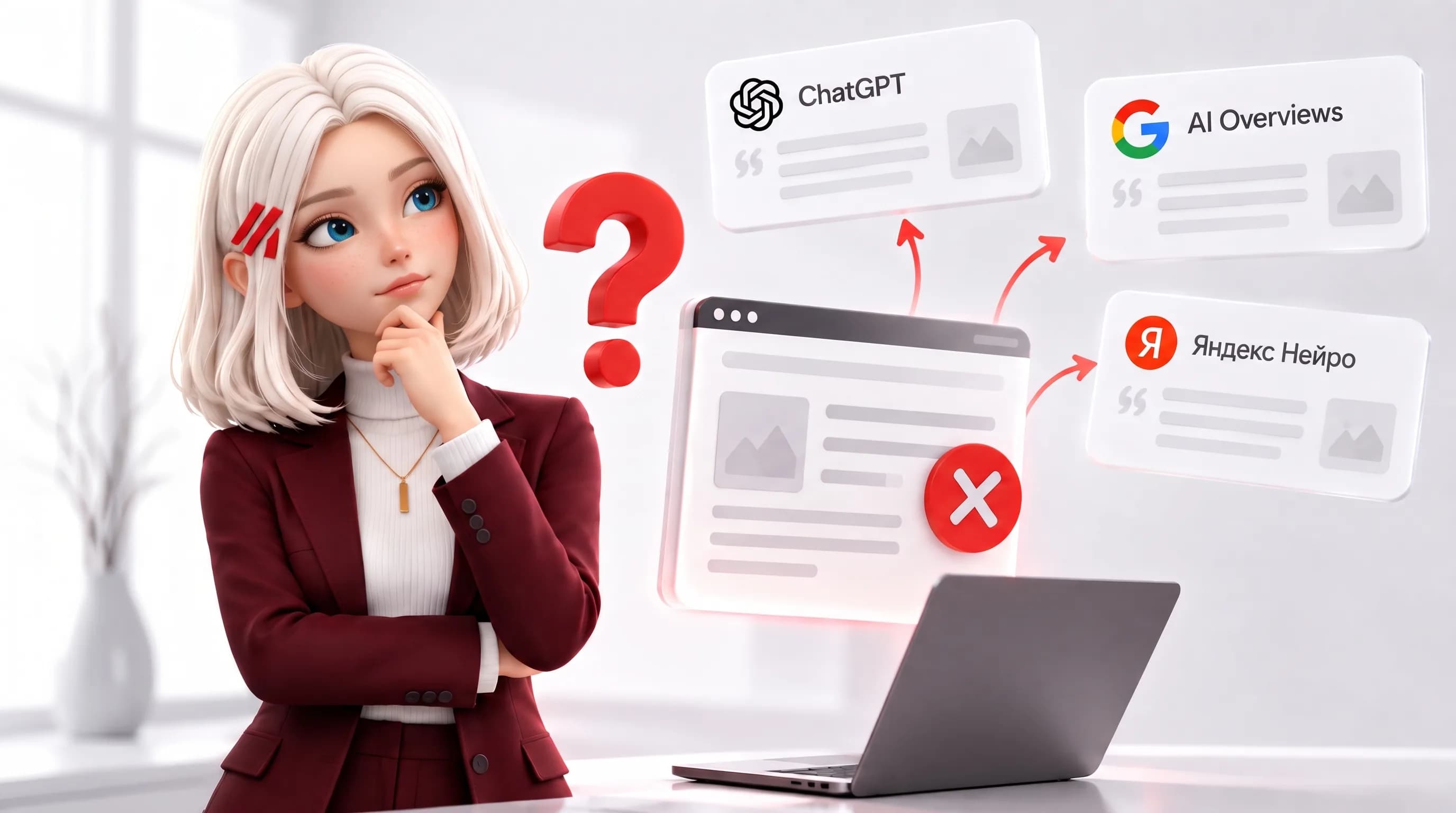
A website can rank well in regular search and still barely appear in ChatGPT, Google AI Overviews, or Яндекс Нейро answers. This is not a contradiction: search and AI systems solve different tasks, while the exact source-selection algorithms are not publicly disclosed. That is why there is no universal list of “citation factors”.

How to do SEO on Tilda: a real SafeLine case study – X growth from 30 to 80, 79% of traffic from content, and Yandex top 5 without changing platforms.
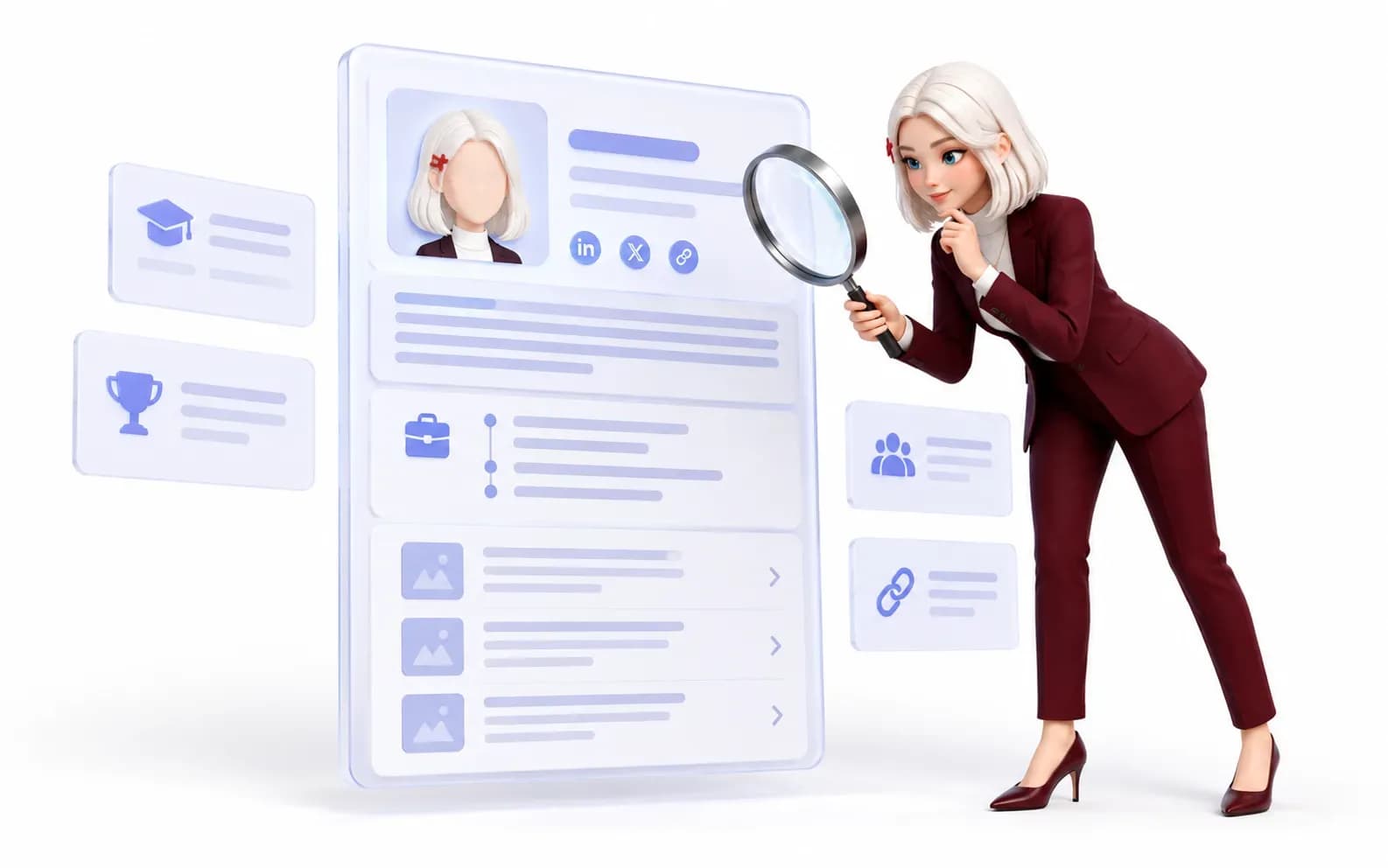
Content factories sell the same idea: automate generation, and traffic will come on its own. I see the result of this approach every time I open search results for a commercial topic. The same text, recycled ten times in a row, without a single new fact. I break down why this stopped working, what search engines actually check, and why we need author pages on the website.
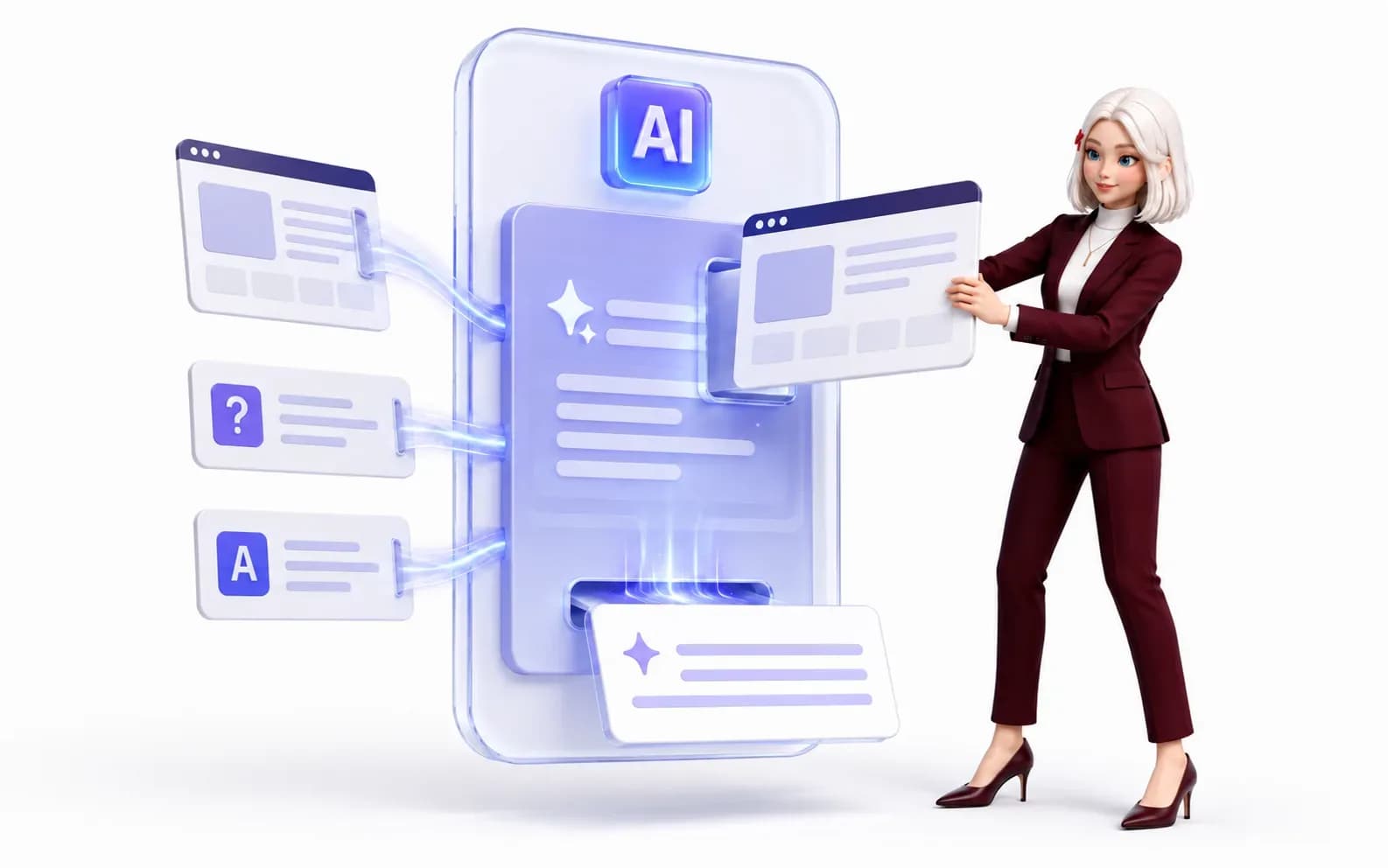
You constantly see posts online like "how we ranked in GEO in a month". Such stories rarely provide specifics: what exactly was done, on what data, with what result. We break it down without fluff: what GEO promotion is, why it doesn't work apart from SEO, how the process works here at SEO Eleven, and how much it costs on the market right now.

How much a turnkey online store costs and how to open your own website without leaving Wildberries and Ozon. Commissions, the platform economy law, prices and timelines.
We break down what actually happens to traffic when changing a website domain: research numbers, a redirect checklist, and the difference between Google and Yandex.

On June 9, Anthropic opened public access to Claude Fable 5 – the first Mythos-level model safe for everyone. The same technology kept under lock and key since spring, but with safeguards in cybersecurity, biology, and chemistry. We break down the case studies (Stripe compressed a two-month migration into one day), pricing ($10/$50 per 1M tokens – twice as expensive as Opus, but half the price of Mythos Preview), differences between Fable and Mythos 5, and a technical detail for developers about thinking: disabled.
An aggregator's price list appeared on X with an unknown model claude-oceanus-v1-p: $16/$80 per 1M tokens, 1M context, -p suffix like in preview. There is no official announcement. We break down where this fits into the Anthropic lineup, what the price tag says and why June 2026 is a realistic horizon for the announcement.

Breaking down a funny glitch in ChatGPT and GPT-5.5: why the AI model started spamming goblins, what the hidden "Nerdy" persona has to do with it, and why raccoons were banned in Codex.
Learn how to properly configure Title, Description and H1-H4 headings to increase CTR and rankings. A step-by-step checklist for SEO optimization in 2026. Read now!
By 2026, 60% of Google searches end without clicks. Learn how to adapt SEO for AI Overviews, and increase citations in AI models
We will look at how your site appears to search engines and to AI models, and what to fix first. Free, within two business days.